Careful locksmith extraction
Broken Key Extractionin Parramatta
A snapped or jammed key does not automatically mean replacing the entire lock. We assess the fragment and cylinder first, then use suitable extraction techniques to help minimise unnecessary damage.
Professional broken key extraction
Remove the Fragment, Then Check the Lock
A key may snap while turning a stiff cylinder, break inside a deadlock or become completely lodged. The correct method depends on the lock design, fragment position and cylinder condition.
Professional assessment helps determine whether extraction alone is sufficient or whether an underlying lock problem also needs attention.
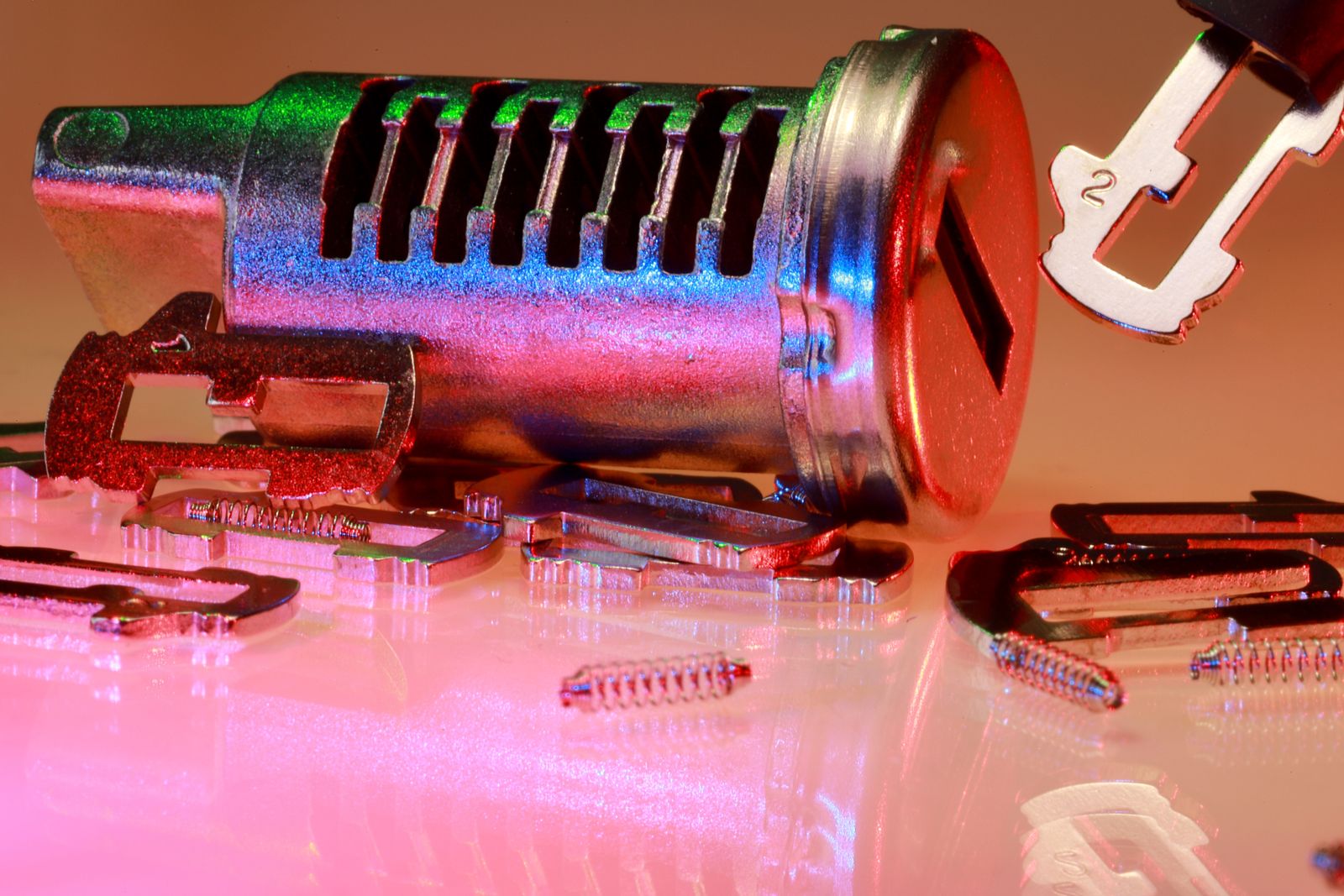
Why keys fail
The Break Often Starts Before the Snap
Repeated wear or resistance can weaken a key over time. Identifying the cause helps prevent the same problem from happening again.
Extraction workflow
Inspect Before Applying Force
Every fragment sits differently. The lock and remaining key section are examined before a suitable extraction method is selected.
Inspect the Lock
Identify the lock type, cylinder condition and fragment position.
Examine the Fragment
Check how deeply it is lodged and whether it is bent or damaged.
Choose the Tool
Select an extraction technique suited to the mechanism.
Remove the Key
Carefully withdraw the fragment without unnecessary lock damage.
Test the Lock
Check whether the cylinder and locking action operate smoothly.
Recommend the Next Step
Repair or replacement is considered only when the lock requires it.
Protect the cylinder
Do Not Push the Key Further Inside
If part of the key is visible, avoid forcing another key behind it. An unsuccessful DIY attempt can turn a straightforward extraction into a more complicated lock repair.
Different locks, different access
Extraction Across Common Lock Types
Fragment position, lock design and cylinder condition determine the safest extraction approach.
Extraction or replacement?
The Cylinder Decides the Next Step
A broken key does not automatically require a new lock. Testing after extraction reveals whether the cylinder remains suitable for use.
Healthy Lock
The fragment may be extracted and the existing cylinder can potentially remain in service.
Damaged Cylinder
Repair or replacement may be needed when internal damage or excessive wear is present.
Repeated Breakage
Recurring failures can indicate a mechanical issue that should be investigated rather than ignored.
Frequently asked questions
Broken Key Answers
Useful guidance before an extraction is attempted.
Can a broken key be removed from a lock?
Yes. The result depends on the lock type, fragment position and condition of the cylinder.
Should I try to remove a broken key myself?
Avoid forcing the fragment deeper or using unsuitable tools, glue or drilling. These attempts may damage the lock.
Does a broken key mean the lock needs replacing?
No. If the cylinder is mechanically sound, it may remain in use after the fragment is removed.
Why does a key break inside a lock?
Common causes include worn or bent keys, stiff locks, door misalignment and worn cylinders.
What if the entire key is inside the lock?
Do not insert another key. A fully lodged fragment should be assessed so an appropriate extraction method can be selected.
Need Broken Key Extraction?
Tell us where the fragment is lodged, whether any part is visible, and whether the lock was difficult to turn before the key snapped.